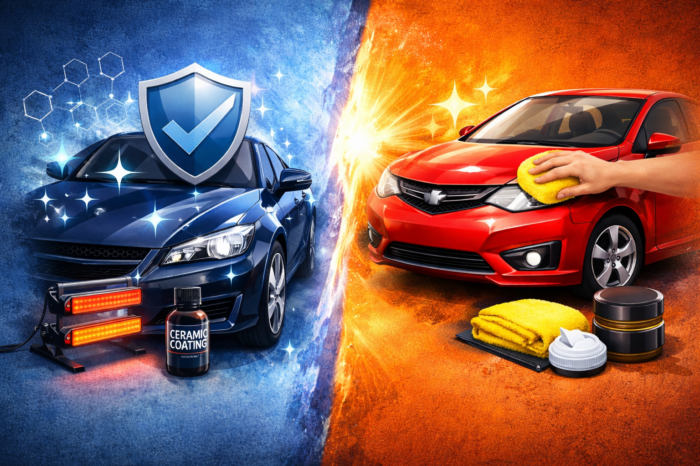
Protection Ceramic Coating vs. Waxing: Which Is Better? The pursuit of protection, shine, and paint preservation is one of the biggest concerns for anyone who takes care of their car. As a result, two solutions stand out in the world of automotive detailing: ceramic coating and waxing. Although both share the same goal—protecting and enhancing the paint—they work in very different ways. So, after all, ceramic coating vs. waxing: which is better? The answer depends on your profile, how you use the vehicle, and the level of protection you want. In this comprehensive article, you’ll understand the differences, advantages, disadvantages, and when to choose each of these options. What is automotive ceramic coating? Automotive ceramic coating, also known as ceramic coating, is an advanced paint protection process. It uses silica-based (SiO₂) products that, once applied, create a rigid and highly resistant layer over the clear coat. This layer forms a kind of invisible “shield” that chemically bonds to the paint, offering long-lasting protection against external agents. For this reason, ceramic coating is widely used by professionals and specialized detailers. In addition, ceramic coating significantly reduces dirt adhesion, makes cleaning easier, and delivers intense, long-lasting gloss. We recommend V-Paint Vonixx for paint coating because, in addition to shine, it provides extended protection for up to 3 years. What is automotive waxing? Automotive waxing is a more traditional and accessible technique. It uses natural, synthetic, or hybrid waxes that create a superficial protective layer over the paint. Products such as Blend Paste Wax and Native Spray Wax, both from Vonixx,... February 7th, 2026
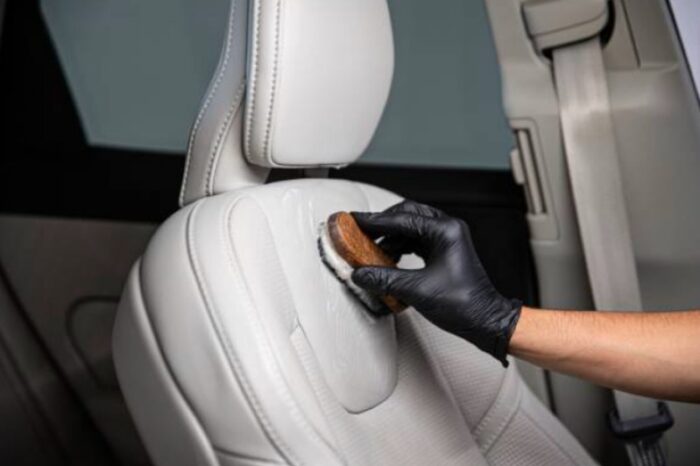
Protection Leather Seat Conditioning in Winter: Why It’s Essential Leather seat conditioning in winter is a frequently overlooked care step, yet it is extremely important for preserving the appearance, comfort, and durability of a vehicle’s interior. During... January 17th, 2026
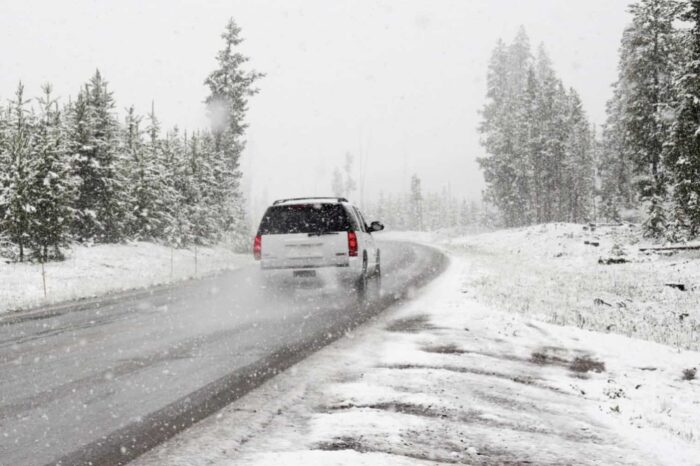
Protection How to Deal with Snow, Mud, and Wet Roads: A Winter Maintenance Guide The arrival of winter brings specific challenges for those who want to keep their car in good condition. Snow, mud, and constantly wet roads create conditions that accelerates wear on several vehicle components, affecting not only appearance but also safety and mechanical durability. Therefore, understanding automotive winter maintenance is essential to avoid bigger problems throughout the season. Unlike other times of the year, winter requires extra attention. In addition to the cold, factors such as constant moisture, mud residue, road salt, and sudden temperature changes directly affect paintwork, brakes, tires, suspension, and metal parts. As a result, adopting preventive care becomes a smart and cost-effective choice. Why Is Winter So Harsh on Your Car? During winter, vehicles are exposed to extreme conditions. Snow and mud easily accumulate in wheel wells, underbody areas, and suspension components. Moreover, wet roads increase contact with abrasive contaminants, which consequently accelerate wear on paintwork and metal parts. In regions with snow, the use of salt and chemical agents to melt ice is common. However, these residues are highly corrosive. When not properly removed, they can cause premature oxidation, compromising the vehicle’s structural components. For this reason, winter maintenance should not be seen as optional, but as essential. Caring for Paintwork and External Surfaces Paintwork is one of the areas most affected during winter. Mud, dirt, and mineral particles easily adhere to the vehicle’s surface, especially on wet roads. In addition, constant moisture encourages staining and micro-abrasions. Whenever possible, the vehicle should be washed frequently, even on cold days. This way, aggressive residues are removed before causing permanent damage. It is important to emphasize that washing should be done with appropriate products, avoiding overly aggressive solutions, as clear coat tends to be more sensitive at low temperatures. In addition, applying waxes or sealants is highly recommended. These products create a protective layer that makes dirt removal easier and reduces mud adhesion. Consequently, the paint remains protected for longer, even under adverse conditions. In this case, we recommend using V80 Vonixx for paint protection. Special Attention to Tires and Safety On wet or snowy roads, tires play... January 3rd, 2026
Protection How to Prepare Your Car for End-of-Year Road Trips: A Complete Guide to Travel Safely and Keep the Shine The months of November, December, and January mark one of the busiest travel seasons of the year. Thousands of families get ready to hit the road... December 10th, 2025
Protection 7 mistakes that destroy your car’s shine in the cold (and how to avoid each one) When temperatures drop, many drivers unknowingly make a series of mistakes that destroy the car’s shine in the cold. Winter brings specific challenges to the paint,... December 3rd, 2025
Protection The Secret to Intense Shine on Paintwork: Everything You Need to Know About Carnauba Wax Taking care of your car’s paintwork goes far beyond regular washes. That flawless finish—that deep, intense shine that grabs attention anywhere—depends on special care and the... November 28th, 2025
Protection How to Wash a Vehicle the Right Way: Step-by-Step Guide to Keep Your Car Impeccable Washing the car may seem like a simple task, but small mistakes can damage the paint, cause scratches, and even reduce the durability of finishes. That’s... November 7th, 2025
Protection Heavy Dirt on Sports Wheels: How to Reach Every Corner Sports wheels give any car a bold and stylish look. However, they also accumulate dirt very easily. Brake dust, oil, mud, and road debris settle into... October 17th, 2025
Protection Sun-Dried Tires: How to Hydrate and Protect Them If you’ve noticed cracks, fading, or a dull appearance on your tires, chances are heat is the main culprit. High temperatures and constant exposure to sunlight... September 12th, 2025
Protection DIY Plastic Protectant vs. Professional: Which Protects Better? If you’ve ever noticed the plastic parts of your car — such as bumpers, trims, and panels — losing color and turning whitish over time, you... September 5th, 2025