 Protection
Leather seat conditioning in winter is a frequently overlooked care step, yet it is extremely important for preserving the appearance, comfort, and durability of a vehicle’s interior. During the colder months, factors such as dry air, sudden temperature changes, and frequent use of the heating system create an environment that accelerates the drying of vehicle leather.
In addition, leather is a natural material that reacts directly to climate conditions. When it does not receive proper maintenance, it loses elasticity, begins to crack, and experiences premature wear. Therefore, understanding why leather seat conditioning in winter is essential helps prevent long-term and irreversible damage and high repair or replacement costs.
Throughout this article, you will learn how winter affects leather, what problems may arise, and the best practices to keep seats properly protected.
Why Is Winter So Harsh on Vehicle Leather?
During winter, air humidity tends to drop significantly, especially in regions with drier climates. As a result, leather loses its natural moisture more quickly. Furthermore, frequent use of the vehicle’s heating system contributes to reduced humidity inside the cabin.
Another relevant factor is the temperature difference between the external environment and the interior of the car. These thermal variations cause the leather to contract and expand constantly. Over time, this movement compromises the material’s flexibility, encouraging the appearance of cracks, peeling, and loss of softness.
For this reason, without proper conditioning, leather seats become much more susceptible to wear, even in relatively new vehicles.
What Happens When Leather Is Not Conditioned in Winter?
The lack of leather seat conditioning in winter can lead to a series of aesthetic and functional issues. First, the leather becomes stiff and rough to the touch, significantly reducing driving comfort.
Next, small surface cracks begin to appear and, if left untreated, can develop into deeper fissures. In addition, the leather’s color may fade or show uneven staining, compromising the interior’s overall appearance.
Another important point is that dried leather tends to absorb dirt more easily. As a result, cleaning becomes more difficult and aggressive, further accelerating material wear.
Benefits of Leather Seat Conditioning in Winter
Conditioning leather seats in winter provides benefits that go far beyond aesthetics. Key advantages include:
In addition, well-conditioned leather makes daily cleaning easier and reduces the need for corrective interventions in the future.
How Often Should You Condition Leather Seats in Winter?
During winter, the conditioning frequency should be higher than in other seasons. In general, it is recommended to condition leather seats every 30 to 45 days, depending on climate conditions and vehicle usage.
Vehicles exposed to sun during the day and intense cold at night tend to require even more frequent care. Likewise, cars used daily or by families with children and pets need extra attention.
Maintaining a regular conditioning routine prevents the leather from reaching a critical level of dryness.
How to Properly Condition Leather Seats in Winter
Before starting the conditioning process, proper cleaning is essential. First, remove dust with a vacuum cleaner and use a leather-specific cleaner such as Higicouro Vonixx, avoiding aggressive or all-purpose products.
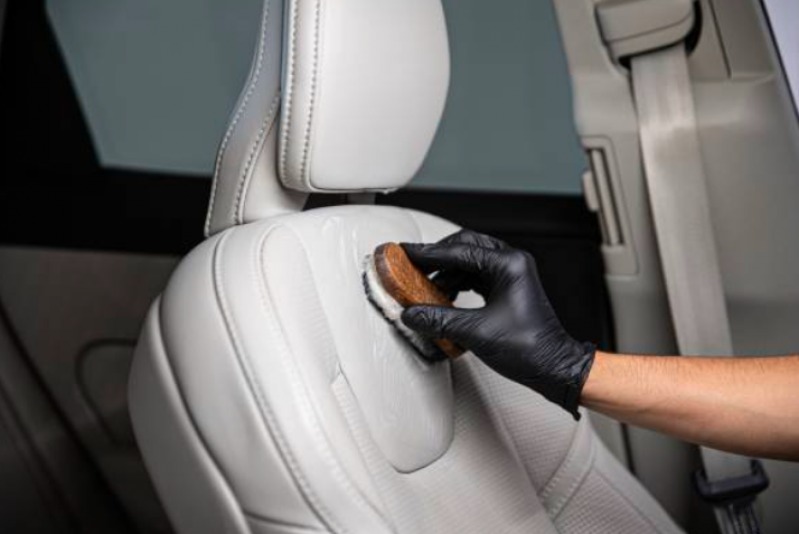
After cleaning, apply a leather conditioner such as Hidracouro or V-Leather Vonixx using a foam or microfiber applicator. Spread the product evenly, following the manufacturer’s recommended amount. Then, allow the product to dwell for the indicated time so the active ingredients can penetrate the leather fibers.
Finally, remove any excess with a clean, dry microfiber towel. This ensures a natural finish without an oily or slippery feel.
Common Mistakes in Leather Seat Conditioning
Although it may seem simple, leather seat conditioning in winter requires some care. A common mistake is using unsuitable products, such as silicone-based dressings or household moisturizers, which can clog leather pores.
Another frequent error is applying too much product, believing it will increase protection. In practice, excess product can leave the surface greasy, attract dirt, and cause premature wear.
In addition, skipping the cleaning step before conditioning completely compromises the process, as dirt prevents proper product absorption.
Conditioning as Part of Automotive Detailing
Leather seat conditioning in winter should be part of a complete automotive detailing process. Integrating this care with interior cleaning, plastic protection, and glass maintenance ensures a more attractive, comfortable, and durable interior.
Moreover, preventive detailing significantly reduces the need for corrective restorations, which are often costly.
Conclusion
Leather seat conditioning in winter is an essential practice to preserve the integrity, aesthetics, and comfort of a vehicle’s interior. During this season, leather becomes more vulnerable to drying, cracking, and premature wear.
Therefore, adopting a proper conditioning routine—using specific products and correct techniques—is the best way to ensure that leather seats remain soft, protected, and looking new throughout the year.
Sign up to receive useful tips and content.